

Most of us have returned from a trip feeling strangely empty, scrolling through photos of landmarks we barely remember and wondering why the journey felt so hollow. Surface-level tourism is everywhere, and it leaves a real gap. Travelling with purpose emphasises intentionality, sustainability, and positive impact over superficial sightseeing. This guide covers practical strategies for families, professional drivers, and adventure enthusiasts who want every journey to genuinely matter. You will find mindset shifts, actionable planning steps, daily habits, and reflection tools to transform how you travel from this point forward.
Table of Contents
- Understanding purposeful travel: mindset, benefits, and myths
- Planning your journey: practical steps for travelling with purpose
- Making it meaningful on the road: habits, resilience, and engagement
- Ensuring lasting impact: reflection, sharing, and return
- Our perspective: what most guides miss about travelling with purpose
- Ready to travel with purpose? Take your next step
- Frequently asked questions
Key Takeaways
| Point | Details |
|---|---|
| Define your purpose | Set personal goals and values before you plan your journey for deeper impact. |
| Choose certified providers | Look for GSTC or equivalent certifications to ensure your travel choices are truly sustainable. |
| Stay flexible | Build adaptability and use reflection tools to reaffirm your intentions, especially with families or as a professional. |
| Share and embed lessons | Consolidate your travel impact by sharing experiences and applying new insights back home. |
Understanding purposeful travel: mindset, benefits, and myths
Purposeful travel is not a niche hobby for gap-year students or charity volunteers. It is a way of approaching any journey, whether a weekend road trip or a month abroad, with clear intention and genuine curiosity. The core idea is simple: your choices as a traveller should reflect your values and contribute something positive, however small, to the places and people you encounter.
One of the biggest myths is that purposeful travel requires grand gestures like building schools or planting forests. In reality, true purpose-driven travel aligns choices with personal values and embraces slow, sustainable practices. Choosing a family-run guesthouse over a chain hotel, learning a few words of the local language, or simply slowing down to observe rather than rush are all purposeful acts.
The benefits are well documented and genuinely compelling. Travellers who approach journeys intentionally report stronger personal growth, deeper cultural understanding, and a lasting sense of fulfilment that the typical tourist rarely experiences. Communities also gain more when visitors engage respectfully rather than extracting experiences like items from a checklist.
Who benefits most? Practically everyone. Families discover that drivers as purposeful travellers already carry a natural advantage: time on the road builds observation, patience, and adaptability. Adventure enthusiasts gain richer stories. Children develop empathy and resilience. Even solo professionals find that intentional travel reduces burnout.
Here is a quick comparison to clarify the difference in approach:
| Aspect | Purposeful travel | Traditional tourism |
|---|---|---|
| Focus | Values and impact | Ticking off sights |
| Pace | Slow, reflective | Fast, scheduled |
| Spending | Local businesses | International chains |
| Outcome | Personal growth, community benefit | Photographs, souvenirs |
| Mindset | Reciprocity and curiosity | Consumption |
Key mindset shifts to adopt from the start:
- Slow down: resist the urge to pack in as many destinations as possible
- Choose reciprocity: ask what you can give, not only what you can gain
- Be intentional: select destinations that align with what genuinely matters to you
- Embrace discomfort: growth rarely happens inside the comfort zone
“The traveller sees what he sees. The tourist sees what he has come to see.” This distinction, simple as it sounds, captures everything about the purposeful travel mindset.
For those using intentional travel planning frameworks, the shift from tourist to traveller begins before you even pack a bag.
Planning your journey: practical steps for travelling with purpose
Once you recognise what purposeful travel truly means, it is time to put it into practice with smart preparation. Planning is where most travellers either set themselves up for a genuinely meaningful experience or accidentally fall into the same old patterns.
Follow these steps to build a purposeful trip from the ground up:
- Define your values and purpose: Write down what matters most to you. Is it cultural exchange, environmental contribution, family bonding, or professional development on the road?
- Select the right destination: Choose places where your interests align with real community needs or cultural richness, not just Instagram popularity.
- Research certified operators: Prioritise GSTC-certified destinations and measurable impact for true purpose. The Global Sustainable Tourism Council sets clear benchmarks.
- Avoid voluntourism pitfalls: The voluntourism market is large and growing, but poorly structured programmes can do more harm than good. Look for operators with transparent sustainability plans and local hiring practices.
- Set clear trip goals: Write two or three specific intentions for the journey, such as supporting a local artisan, learning a traditional skill, or reducing plastic use throughout the trip.
- Plan for a smoother journey: Logistics matter. Stress-free travel gives you the mental space to be present and purposeful.
Pro Tip: Use platforms like Workaway or local cultural centres to find authentic engagement opportunities before you leave home. Booking through local guides rather than international aggregators keeps money in the community and gives you far richer access.
For families and groups, planning purposeful travel requires balancing individual and collective goals. Let each family member name one thing they want to experience or contribute. This simple exercise creates shared ownership of the journey and reduces friction on the road.
Here is a practical planning checklist:
| Planning element | Resource or action |
|---|---|
| Values alignment | Personal journalling or family discussion |
| Destination research | GSTC database, local tourism boards |
| Operator vetting | Sustainability certificates, local reviews |
| Trip goals | Written intentions, shared with travel companions |
| Logistics and timing | Managing time while travelling |
Making it meaningful on the road: habits, resilience, and engagement
With a solid plan in place, your journey’s meaning unfolds in the day-to-day. Here is how to ensure each moment counts, even when things do not go as expected.
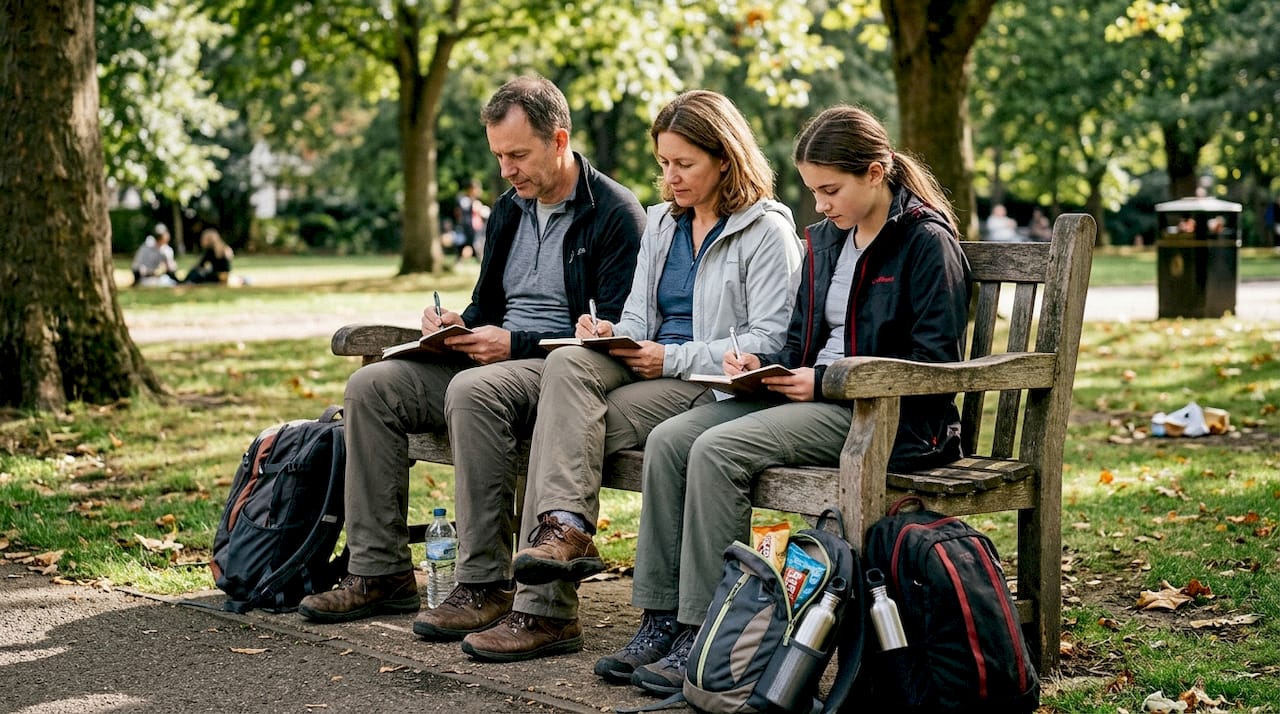
Everyday habits are the engine of purposeful travel. Small, consistent actions accumulate into genuine impact over days and weeks. Families and adventurers benefit from flexibility and reflection, using simple tools like a ‘red card’ for resets when tension or fatigue sets in. A red card is simply a shared signal that someone needs a pause, no questions asked. It sounds minor, but it prevents small frustrations from derailing the entire experience.
The voluntourism market is valued at $3.2 billion globally, yet only around 15% of programmes have formal sustainability plans. This means the responsibility for meaningful engagement often falls on the traveller. Seek credible, locally led projects rather than relying on large operators to guarantee impact.
For professional drivers and those spending extended time on the road, purposeful travel looks different but is no less achievable. It might mean choosing rest stops that support independent cafes, engaging with local communities during layovers, or simply practising mindfulness during long stretches of driving. Managing travel fatigue is itself a purposeful act, because you cannot contribute meaningfully when you are running on empty.

Pro Tip: Schedule at least one hour of genuinely unplanned time each day. Spontaneous encounters, unexpected conversations, and unscripted moments are often where the most meaningful experiences occur.
Key daily habits to drive impact:
- Eat locally: choose markets and family-run restaurants over international chains
- Reflect each evening: spend five minutes noting what you observed, felt, or learned
- Reduce waste actively: carry a reusable bottle, refuse single-use plastics, and leave places cleaner than you found them
- Engage curiously: ask questions, listen more than you speak, and resist the urge to compare everything to home
- Pack with intention: packing smart reduces stress and ensures you have what you need without excess
Resilience is not about pushing through difficulty. It is about adapting with grace and keeping your purpose visible even on the hard days.
Ensuring lasting impact: reflection, sharing, and return
Meaningful travel does not end when you return home. Here is how to make the impact endure long after the journey is over.
Reflection is the step most travellers skip entirely, and it is arguably the most important one. Without it, even the richest experiences fade quickly into background noise. Reciprocity and alignment with personal values help transform travel impact from fleeting to enduring. This applies whether you travelled solo, as a family, or as part of a professional convoy.
Here are practical steps to consolidate your experience:
- Journal within 48 hours of returning: Write freely about what surprised you, challenged you, and changed you. Do not edit. Just capture.
- Create a digital story: A short blog post, photo essay, or social media series extends your impact by inspiring others and keeping the experience alive in your own memory.
- Share with your community: A brief presentation to friends, colleagues, or a local group amplifies your story and creates accountability for the values you brought home.
- Maintain relationships: If you connected with a local project, guide, or family, keep in touch. Ongoing relationships are where real reciprocity lives.
- Embed new habits: Identify two or three behaviours from your trip, such as buying local, reducing waste, or practising mindfulness, and commit to continuing them at home.
“Travel is not a reward for working. It is education for living.” Carrying that education home and letting it reshape your daily choices is what separates a purposeful traveller from a repeat tourist.
The growing on the road community at Convoy is full of travellers who have done exactly this: taken what the road taught them and woven it into how they live, work, and move through the world.
Our perspective: what most guides miss about travelling with purpose
Most purposeful travel guides focus on big, visible gestures: volunteering programmes, eco-lodges, carbon offset calculators. These matter, but they can make purposeful travel feel like an exclusive club with a high entry fee. That is misleading and, frankly, discouraging.
The truth we have observed across years of supporting travellers on the road is this: purpose is built in small, repeatable moments. The driver who always chooses the local petrol station cafe over the motorway chain. The family that spends ten minutes each evening talking about what they noticed that day. The solo adventurer who learns the name of every person who serves them. These are not grand gestures. They are habits, and habits compound.
Professional drivers and people who spend significant time on the road actually have a structural advantage here. Repeated exposure to different communities, landscapes, and ways of life creates a kind of empathy that occasional tourists rarely develop. The real-world travel stories shared within our community reflect this again and again.
Our contrarian advice: it is perfectly fine for your sense of purpose to evolve. What matters to you at 25 will differ from what matters at 45. Let your travel intentions shift with you. Rigid purpose is not purpose at all.
Ready to travel with purpose? Take your next step
If you are eager to put these ideas into practice, Convoy provides further guidance for every stage of your journey. From pre-trip planning tools to on-the-road habits and post-trip reflection frameworks, there is practical support built specifically for travellers who take their journeys seriously.
Whether you are a family planning your first intentional holiday, a professional driver looking to find more meaning in daily routes, or an adventurer seeking richer experiences, the Convoy community has resources, stories, and gear recommendations to help you move with purpose. Browse our travel guides, connect with fellow travellers, and take the next step towards journeys that genuinely matter. The road is waiting, and it has far more to offer than most people realise.
Frequently asked questions
What is the difference between purposeful travel and voluntourism?
Purposeful travel covers all intentional, values-driven choices across any journey, while voluntourism refers specifically to short-term service trips. Purposeful travel is broader and does not require a formal volunteering programme to be meaningful.
How can families make travel more meaningful for children?
Families can build in daily reflection time and use a shared signal like a ‘red card’ to pause and regroup when needed, keeping the experience positive and intentional for everyone.
What should I look for in a truly sustainable travel provider?
Seek GSTC-certified operators with local hiring practices, transparent sustainability plans, and measurable community impact rather than vague green marketing claims.
Can solo travellers make a meaningful impact?
Absolutely. Solo travellers can support local businesses, adopt sustainable habits, and engage in reciprocal cultural exchanges that create genuine positive change without needing a group or formal programme.